“carbon roasting” search results (1000)

The infatuated common sense of charcoal-roasted coffee in the South.
Charcoal roasted coffee is a Japanese coffee, refers to a taste, almost no acid, strong scorched bitterness and mellow, the taste is relatively strong. Authentic charcoal-roasted coffee is generally deeply roasted with carbon fire (gas, carbon fire and infrared), the color is dark, the taste is fragrant and mellow, the taste does not feel sour, if condensed milk has a flavor. Among them, charcoal roasted coffee in the south is absolutely unique.
2015-02-12 Let people infatuated South charcoal coffee common sense one Japan
How to make roasted coffee bean boutique coffee China Coffee Network
Roasting coffee beans is controlled according to the requirements of coffee utensils. The taste of different utensils and different coffee beans will be different when roasted. Coffee beans are roasted by using specific equipment to convert starch into sugars and acids at high temperatures. In this process, substances such as cellulose will be carbonized to varying degrees, and water and carbon dioxide will be volatilized.
2016-06-04 How making roasting coffee beans boutique coffee China
A brief introduction to charcoal roasted coffee the price of deep-roasted coffee today
Charcoal roasted coffee is a Japanese coffee, refers to a taste, almost no acid, strong scorched bitterness and glycol, the taste is relatively strong. The charcoal roasted coffee in the authentic coffee atlas is generally deeply roasted with carbon fire (gas, carbon fire and infrared). It is dark in color, fragrant and mellow in taste, and does not feel sour in taste. If condensed milk is added, it has a flavor. Its central and southern part
2016-04-21 Charcoal roast coffee profile depth baking today price charcoal roast one kind
Coffee bean roasting in the sense of basic knowledge
Chinese baking when we bake deeper and more sugar begins to be carbonized or burned, it is called mid-baking, and this baking-degree espresso is usually popular around Florence. This kind of formula produces slightly darker beans with a bitter flavor. But the baking degree is not deep enough to burn out all the flavor characteristics of the producing area.
2015-05-28 Coffee beans roasting basics common sense meaning baking we and then deep
The roasting degree of coffee beans can be divided into six categories.
Light baking (Light Roasts), cinnamon (Cinnamon), half-city style (Half City), New England style (New England). This kind of baking is only used for absolutely high-quality, fine or highland-grown Arabica coffee beans, mainly for the identification and tasting of coffee beans, generally not on the finished products sold in the market. Cinnamon is so called because its baked color is very similar.
2015-05-28 Coffee common sense coffee beans roasting degree divided into six categories
Charcoal roasted coffee in the south, which is fascinated by the science of boutique coffee.
Charcoal roasted coffee is a Japanese coffee, refers to a taste, almost no acid, strong scorched bitterness and mellow, the taste is relatively strong. Authentic charcoal-roasted coffee is generally deeply roasted with carbon fire (gas, carbon fire and infrared), the color is dark, the taste is fragrant and mellow, the taste does not feel sour, if condensed milk has a flavor. Among them, charcoal roasted coffee in the south is absolutely unique.
2015-04-02 Boutique coffee let people infatuated South charcoal one Japan
Why roast coffee beans?
The raw coffee beans for export are not the dark brown beans we often see in cafes with a luster of vegetable oil and a burst of coffee-scented beans. Coffee beans can only be roasted to become coffee beans for grinding and drinking. Of course, this is just a strange modern way, because in the early days, Ethiopians used the fruits of coffee to make wine.
2015-04-15 Why roasting coffee beans exports not us coffee in the restaurant
The process of making coffee beans how to make coffee beans
Roasting coffee beans is a process in which raw beans are roasted using specific equipment to convert starch into sugars and acids at high temperature. in this process, substances such as cellulose will be carbonized to varying degrees, water and carbon dioxide will evaporate, and the protein will be converted into enzymes, which combine with the rest of the fat to form an oil film on the surface of the coffee, and the coffee bean itself.
2016-05-25 Coffee beans the production process should how making roasting coffee beans will raw beans
Italian combination of beans, fine coffee, bean cultivation and bean awakening methods. Time of bean cultivation, fine coffee
Bean cultivation: freshly roasted coffee beans emit carbon dioxide, making the pressure in the package higher than an atmospheric pressure, which helps to integrate aromatic substances with oils, making all the aromatic substances in the coffee beans easy to extract. The common one-way breather valve on the coffee bean bag is used to discharge the excess carbon dioxide to prevent the bean bag from being supported by carbon dioxide.
2016-07-01 Italian style blending boutique coffee beans wake up beans method time baking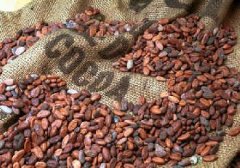
The alternative aroma of Japanese charcoal-roasted coffee in bitterness
Many friends are leaving messages to know about charcoal-roasted coffee, which is a deeply roasted coffee with a very bitter taste in the island. We have all heard of how big the brains of islanders are. They are very good at creating their own things, and so is coffee! Charcoal roasted coffee, also known as bitter charcoal roast in Japan, is a kind of Japanese coffee, which refers to a taste, almost
2015-03-12 Japan charcoal coffee bitter medium alternative many friends all here leave a message
Coffee bean roasting technology hot air roaster
Coffee roasting (coffee roasting) means that through heating raw beans, starch in raw beans is converted into sugars and acids at high temperature, substances such as cellulose will be carbonized to varying degrees, water and carbon dioxide will be volatilized, proteins will be converted into enzymes and fats, and the remaining substances will be combined to form an oil film on the surface of coffee beans, and in the process coffee acids will be formed.
2015-01-08 Coffee beans roasting technology hot air roaster coffee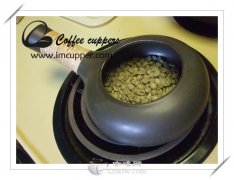
Ceramic coffee roaster
Coffee roasting (coffee roasting) means that through heating raw beans, starch in raw beans is converted into sugars and acids at high temperature, substances such as cellulose will be carbonized to varying degrees, water and carbon dioxide will be volatilized, proteins will be converted into enzymes and fats, and the remaining substances will be combined to form an oil film on the surface of coffee beans, and in the process coffee acids will be formed.
2014-08-20 Coffee knowledge ceramic coffee roaster roasting technology
World Coffee Bean Certification what is carbon-neutral coffee? How to correctly certify carbon-neutral coffee beans?
What is carbon neutral coffee? For the origin of carbon neutralization, the New Oxford English Dictionary announced that the annual vocabulary for 2006 is "carbon neutral", which means "carbon neutralization". Carbon neutralization, also known as carbon compensation (Carbon Offset), is one of the efforts made by modern people to slow global warming. Carbon-neutral coffee is carbon-neutral coffee certified by the carbon-neutral organization.
2016-01-04 World coffee beans certification what neutralization coffee how correct
Why roast coffee beans in the basics of coffee?
The raw coffee beans for export are not the dark brown beans we often see in cafes with a luster of vegetable oil and a burst of coffee-scented beans. Coffee beans can only be roasted to become coffee beans for grinding and drinking. Of course, this is just a strange modern way, because in the early days, Ethiopians used the fruits of coffee to make wine.
2015-04-13 Coffee basics common sense why roasting coffee beans exports not
"full-bodied and mellow"-charcoal roasted coffee
Charcoal roasted coffee is a Japanese coffee, refers to a taste, almost no acid, strong scorched bitterness and glycol, the taste is relatively strong. Authentic charcoal-roasted coffee is generally deeply roasted with carbon fire (gas, carbon fire and infrared), the color is dark, the taste is fragrant and mellow, the taste does not feel sour, if condensed milk has a flavor.
2014-05-19 Coffee knowledge charcoal-roasted coffee
Why roast coffee beans?
[introduction] Why roast coffee beans? This is because roasting gives off aroma of coffee and makes different kinds of coffee give out different flavors. Without this process, the unique taste of coffee will be greatly reduced. Roasting causes coffee to produce coffee oil, which gives coffee beans a strong aroma. The most outstanding feature of this aromatic substance is that it is volatile.
2015-11-03 Why roasting coffee beans reading guide why because will
What is the difference between black coffee and white coffee?
White coffee is coffee beans without other additives directly low-temperature baking, but for a long time, after baking ground into powder, remove the general high-temperature hot fry and carbon roast scorched, sour taste, natural flavor and rich aroma, fragrant and smooth. Does not hurt the stomach, will not get angry, milder, suitable for the healthy life of modern people. Black coffee is coffee beans that have been roasted at high temperatures to make coffee
2015-03-03 coffee knowledge white coffee what different coffee beans no
Coffee Roasting Hot Air Roaster
Coffee roasting refers to the heating of raw beans to convert starch in raw beans into sugar and acidic substances at high temperature. Cellulose and other substances will be carbonized to varying degrees. Moisture and carbon dioxide will volatilize. Protein will be converted into enzymes and fats. The remaining substances will combine together to form an oil film layer on the surface of coffee beans. In the process, coffee acids will be generated.
2014-08-20 Coffee knowledge Coffee roasting Hot air roaster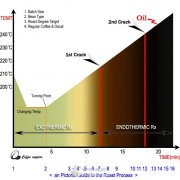
Coffee roasting process
Coffee roasting (coffee roasting) refers to the heating of raw beans to convert starch in raw beans into sugars and acids at high temperature, cellulose and other substances will be carbonized to varying degrees, water and carbon dioxide will be volatilized, proteins will be converted into enzymes and fats, and the remaining substances will be combined to form an oil film on the surface of coffee beans, and in the process coffee acids will be formed.
2014-06-04 Coffee knowledge coffee roasting coffee encyclopedia
Is bitterness an essential flavor of coffee?
After talking about the sour coffee that makes me happy and worried, let's take some time to think about the established impression of coffee: bitterness. Bitter coffee ah bitter coffee, why don't you drink the sweet pearl milk tea, but choose the bitter coffee? The answer is simple: good boutique coffee is hardly bitter. This runs counter to the public impression of coffee, not to mention unsweetened.
2015-08-27 Bitter taste isn't it coffee essential flavor finished let me happy sour fruit